
Category: ETFs & Index Funds
-
What Is a Crypto ETF? A Beginner’s Guide (2026)
What is a crypto ETF? Learn how spot and futures-based crypto ETFs work, how they differ from buying crypto directly, and what to weigh before investing.
-

What Is VTI ETF? The Beginner’s Guide (2026)
What is VTI ETF? Learn how Vanguard’s Total Stock Market ETF works, what it holds, its costs, and whether it suits beginner investors in 2026.
-

Best Dividend Index Funds: 6 Low-Cost Picks for 2026
Discover the best dividend index funds for 2026. Compare low-cost ETFs by yield, expense ratio, and strategy to build steady income. Beginner-friendly guide.
-

What Is a Bond ETF? 5 Ways It Adds Stability
What is a bond ETF? Learn how bond ETFs work, why beginners use them for stability, and how to pick one in this plain-English 2026 guide.
-

SCHD vs VYM: Which Dividend ETF Wins in 2026?
SCHD vs VYM compared: yield, dividend growth, fees, and holdings. Find out which dividend ETF suits your income investing goals in 2026.
-

QQQ vs VOO: Which ETF Should You Buy in 2026?
QQQ vs VOO compared for beginners: fees, holdings, risk, and returns explained. Find out which Nasdaq-100 or S&P 500 ETF fits your investing goals in 2026.
-

VOO vs SPY: Which S&P 500 ETF Wins in 2026?
VOO vs SPY compared on expense ratios, liquidity, and dividends. Find out which S&P 500 ETF is better for long-term investors and active traders in 2026.
-
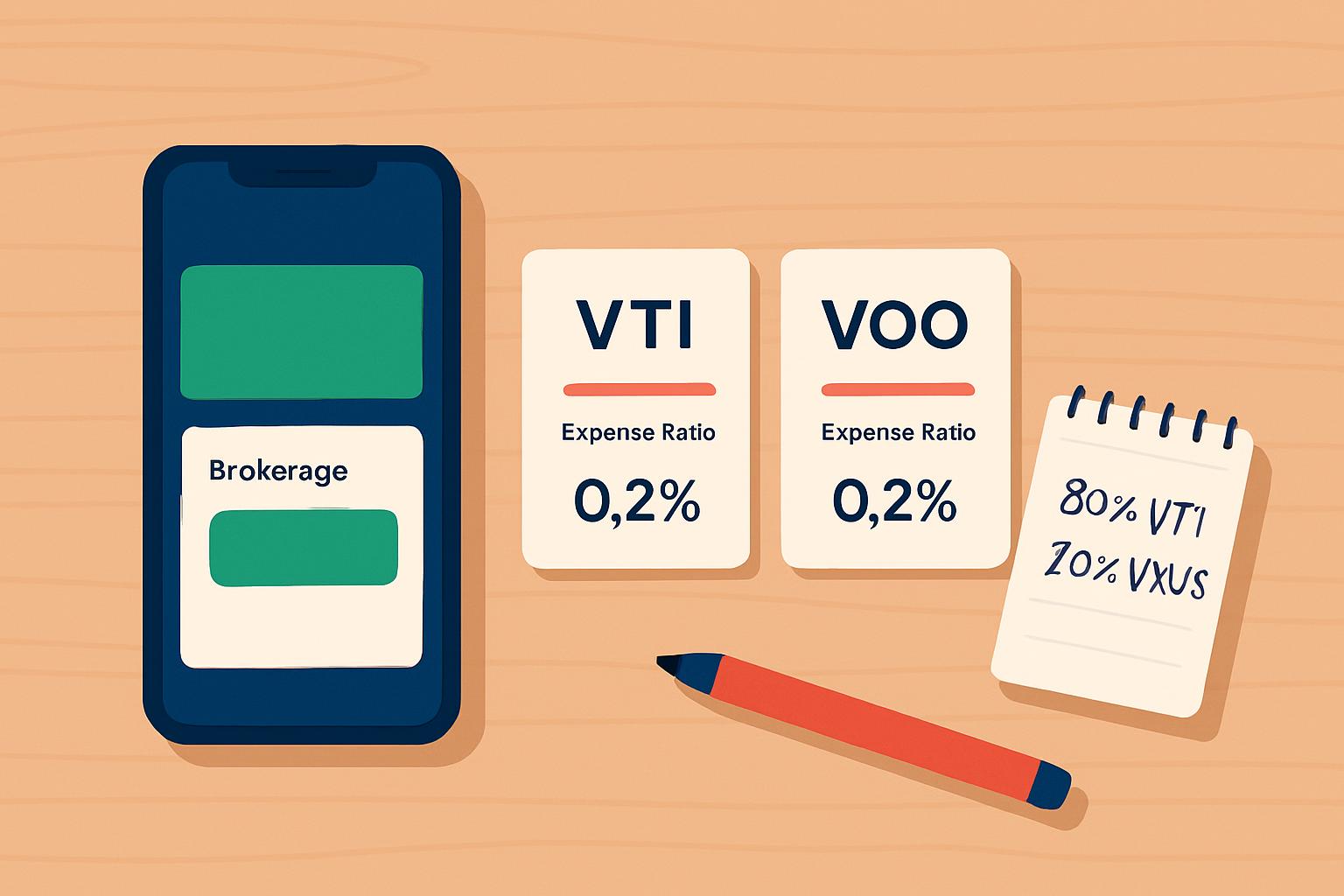
Best ETFs for Beginners in 2026 (Low Expense Ratio Picks Compared)
The best ETFs for beginners in 2026, compared on real expense ratios and minimums — what each one actually holds and which suits a first portfolio.
-
Best Index Funds for Beginners in a Roth IRA (2026 Low-Cost Picks)
The best index funds for beginners to hold in a Roth IRA in 2026 — real expense ratios, minimums, and how to pick one fund and stop overthinking it.
-
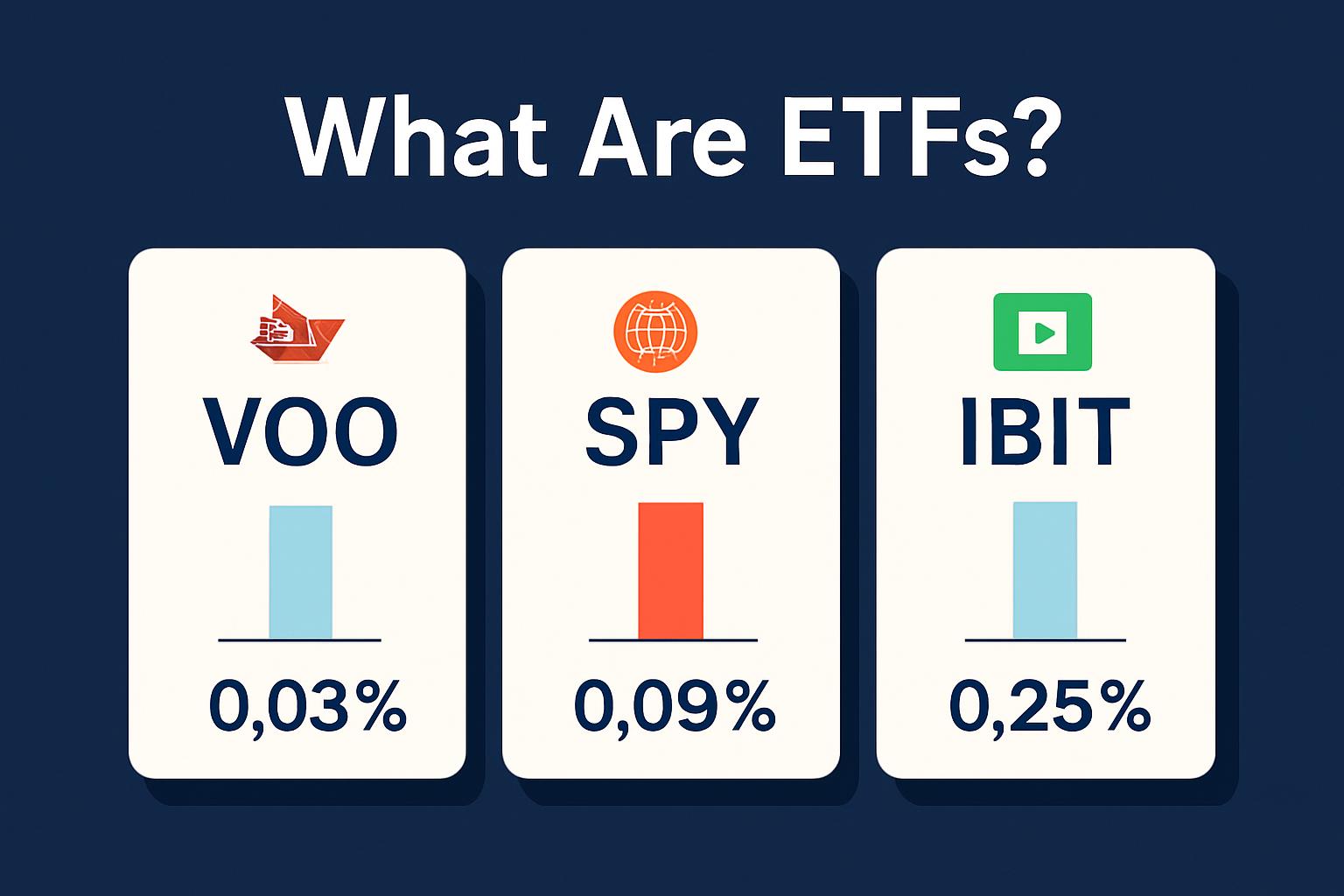
How to Invest in the S&P 500 for Beginners: VOO vs SPY vs FXAIX
How to invest in the S&P 500 as a beginner in 2026 — compare VOO, SPY and FXAIX on real expense ratios, and see the exact steps to buy your first share.